Fundraising Events—Money Makers or Energy Drainers?


people on pile of money


Do you look forward to your annual fundraising events, or are you exhausted by the thought of them?
 

Are your event volunteer sign up sheets full of names or blank spaces?

Is your budget so dependent on your fundraising events that if you don’t make the goal you must make serious cuts in expenditures?

Most congregations and charitable organizations conduct at least one major fundraising event annually. A good many hold six or more events every year, sometimes running two or more concurrently. Often these events have been happening for several decades and are considered an essential part of the organization’s funding, no matter what and no matter how much money is raised.

“It’s just what we always do. We depend on this event to make our budget.”

hands out for moneyFor example, when I am visiting a congregation, it is not unusual for me to hear announcements during the service for the youth group’s fundraising luncheon that afternoon, urgent pleas for donations of goods and services to the auction next week, and requests for support of the local soup kitchen. This may be followed by the offering which will be shared with a worthy cause and a dismal update on the annual pledge campaign. After the service, I go to the fellowship hour, where there is a basket out for contributing to defray the costs of coffee, a table for selling tee shirts or fair trade products, and bulletin boards with posters and appeals for all of the above. These may all be worthy requests for support, but a fundraising culture this diffuse can lead to serious “donor fatigue” on the part of the congregants. The people lose a clear sense of the mission and are overwhelmed with the barrage of requests. No wonder many congregations struggle with stewardship and finding energized people to run their annual stewardship campaigns and pledge drives.

What if fundraising events were focused on mission, the needs of the wider community, and for social justice?

How might your congregation could transform the culture of giving and fundraising activities? Consider the following suggestions…

  • A master fundraising plan will be developed annually by the Stewardship Team and key staff leaders and approved by the governing board. All funds raised must be handled and accounted for in accordance with the policies established by the board.
  • Each fundraising activity or event will clearly reflects the mission, vision, goals/ends of the organization—or it won’t happen.
  • A timeline is created with the activities and events intentionally spread out over the course of the year, allowing ample time for advanced planning and publicity (and recovery time).
  • Each fundraising event is planned and conducted by a competent team of volunteers who work in collaboration with the appropriate staff, board, and committees. Avoid volunteer burnout by grooming leaders to take the reins after two or three years.
  • A significant portion—if not all—of the funds raised will be used for the ministries and outreach activities of the congregation that will directly benefit the surrounding community and society at large.
  • Careful record-keeping should be expected, with timely reports to the financial leaders and administrative staff. All funds should be accounted for and processed through the congregation’s established systems.
  • Every fundraising activity will be thoroughly evaluated for its qualitative benefits (strengthening relationships, community-building, awareness-raising) and return on the investment of staff/volunteer time, supply and equipment cost, and amount of money raised. If the benefits and dollar amounts do not produce a significant offset to the investments, consider modifying or eliminating it in the future.
  • Spread the affirmations around as much as the work. Thank everyone involved in the event’s success and share the story of making a difference.
  • Have fun along the way! Fundraising activities are enjoyable and meaningful at their best.

Let’s use this forum as a way to share your most successful fundraising event experiences and ideas for transforming the fundraising culture in our congregations. You are invited to share your stories as comments here on Giving Speaks, or via email to givingspeaks@gmail.com.

 sparks flying

Related Resources:

Renee Herrell’s Blog. Caution: Men in Heels. Oct. 2009. This post features a fun and creative fundraising event and the pros and cons of charitable events for fundraisers to consider.  http://reneeherrell.wordpress.com/2009/10/23/hello-world/

Social Networking and Online Giving

abstract-rainbow-wavy-background_zyhnNRv_

Welcome to the social revolution. The world is catapulting towards more connectedness, more interactivity and more community.   Change is occurring at exponential speeds we can barely keep pace with. Life it or not, “social”–the instant sharing of content using online technologies— is the new norm, and social media and social technology are the platforms and tools we must embrace if we are to thrive in this new reality.

~Wealth Engine white paper 2012*

Our social networks are expansive, growing wider in scope and density with each click of the mouse and touch of the keyboard. Most people visit an organization’s website before they ever enter the door or attend an event or meeting. Increasingly, donors are comfortable giving online and expect to have that option available for their charitable giving.

Social networks are a dynamic means of communication and being virtually connected with people around the world. Popular social networks and media include: Facebook,Twitter, blogs and microblogs, content curation, geolocation, online communities, and media sharing.

Technological developments are happening quickly, and nonprofit, religious and charitable organizations must be alert to the new trends if they want to be perceived as current and relevant. For example, it is more important than ever for organizations to invest in making their website content adaptable for mobile technology.

Many nonprofit, religious, and charitable organizations have joined the movement, finding the new social media options easy and inexpensive to set up and use for communicating with their existing and prospective constituents. Most social media offer tools for measuring Myriad opportunities and benefits are present for organization actively using social media for networking:

inter-connectedness hands around the world

As good as social networking sounds, it is vital that the organization begin at a manageable level for the staff or volunteers involved.

The development of the networks can be tracked with the specialized features that measure and track activity.

Communicating and networking via social media takes time, forethought, and planning for the organization to maximize the benefits. It is worthwhile for leaders to discuss the use of social media, seeking input from other staff, volunteers, and constituents. There must be commitment on the part of organizational leaders. Policies for engaging and training staff to effectively use social media to advance the organization and advance its mission in the world.

Social networking offers an expansive and exciting landscape of opportunity. Most professional fundraisers report using Facebook, Linked In, Twitter, and other social networking venues to learn more about donors and their charitable and political giving patterns. Online surveys provide a means for interacting and inviting valuable feedback. Tracking social networking sites enables organizations to observe behaviors and trends in new and different ways.

Crowd-sourcing and Cause-related Marketing are becoming increasingly popular and are a creative means of promoting individual causes and advancing the missions of organizations. Millions of dollars are raised each year through social media and online giving, whether it be through project funding, online contests, or auctions.

fundraise onlineThe possibilities are seemingly endless!

Online Fundraising Venues:

Bidding for Good is an online auction site for charitable organizations.

Faithify is a crowdfunding site where passionate people follow, share and fund Unitarian Universalist ministries. This is a fabulous opportunity for UUs to support and enlist support for great projects that extend our principles and values in the world.

Crowdrise is about giving back, raising lots of money for great causes and having the most fun in the world while doing–Crowrise is the world’s #1 fundraising site for medical bills, volunteer trips, and over 1.5. million charities and causes.

HopeMob‘s vision is to “become the largest, most active, effective, innovative community of generosity in the world.”

Network for Good envisions a “world where generosity is unleashed, with compelling opportunities to give back at every person’s fingertips.” The site offers organizations and individuals opportunities to give to charitable causes from its website and a wide array of partner sites.

Research and Information about Online Giving:

About.com. Cause-Related Marketing: What You Need to Know 

Charity Navigator. Top 10 Best Practices of Savvy Donors 

Mansfield, Heather. Mobile for Good (A How-to Fundraising Guide for Nonprofits). 2014. McGraw-Hill Education. Nonprofit Tech for Good 

*Wealth Engine. Trends in Fundraising for Nonprofit Organizations white paper. 2012. Fundraising’s Social Revolution: How Social Media is Changing Nonprofit Culture and Practice.

Calling All Generations–ready, set, GIVE!

Friends Playing on the Beach

With each new generation coming into adulthood, cultures and patterns change. A recent Giving Speaks post Religion in the Age of the Nones (http://wp.me/p1xUUk-ms ) dealt with the significant changes and trends of decreased religious affiliation among younger adults. Just as important for religious and philanthropic organizations is to understand the differences among the generations when it comes to designing giving programs and fundraising appeals. One size does not fit all!

small-shoes In America there is an unprecedented transference of $40 Trillion in wealth occurring between the aging Mature and Baby Boomer generations and their children. It is essential that those who are raising funds to support charitable and religious organizations understand the varying approaches required in working with their donors in each generational cohort. Those in the Baby Boomer generation (born between 1942 and 1960) and the Mature Generation (born prior to 1945) were motivated to give for different reasons than young adults born after 1960. The elder givers are motivated to give to help meet the needs not met by governmental programs. They support religious and community organizations and are most comfortable responding to mail appeals and face-to-face requests. Baby Boomers are hearty supporters of secular causes. They give to religion, but at lower levels than their elders.

Trends and emerging giving patterns of younger adult donors are being studied, with what makes donors tickparticular attention being paid to the relatively small group receiving the largest share of the wealth and building their own net worth. These “Next Gen Donors” will be the philanthropists of the future and the major donors in America for several decades to come. It behooves all charitable, religious and philanthropic organizations to learn more what makes these younger, higher net worth donor prospects tick.

Philanthropic research over the past five years tells us is that Next Gen Donors (between the ages of 21 and 48) are generous people. These individuals want to know their contributions go to causes that matter most to them and move them emotionally. They take a “hands on” approach to their involvement with recipient organizations, because they want to know their charitable dollars are making the world a better place. Often this involves younger adults volunteering their time and talent as well as their money.

Among those in Net Gen Donors group, most of their charitable giving goes to secular causes, with less than half going to religion. This means that religious organizations must polish their stewardship strategies and employ current fundraising best practices, being much more proactive in their donor relationships. Next Gen Donors prefer online giving and are more comfortable with solicitation through social networking media channels. Their total annual charitable giving among younger adult donors ranges from $1,300 to $2,000 on average, and the levels most likely will increase over their lifetimes.

money online

Stewardship strategies and fundraising practices must be adapted to meet the challenges of greater competition for charitable dollars. Generation and technological trends must be taken into consideration when planning cultivation techniques and messaging for appeals.

Here are some generational characteristics and recommended fundraising approaches:

Youth_Haiti

Younger Adults (born mid-1980’s to present)

  • Think “multichannel” communication—mail appeals (hard copy), electronic appeals (email, e-newsletters), and online giving options (websites) are the top three channels for charitable giving.
  • Check-out donations—grocery stores, coffee shops, and businesses offering charitable giving opportunities with purchases.
  • Social media appeals from charitable organizations and religious communities with whom they have a relationship—ask your young volunteers and visitors for their contact information!
  • Peer-to-peer social, networking, and fundraising events—younger donor prospects like events that bring committed people together around causes and organizations of interest.
  • Encourage volunteer involvement and other ways of engaging in hands-on service and making a real difference in their communities.
  • Appeals that include information about the organization and its priorities, a request for a specific amount, and details about how contributions will be used, and a promise of quarterly progress updates.
  • Written appeals featuring the organization’s programs and services of greatest interest and relevance to younger adults, whether they are single, partnered, or parents of young children.

Middle-Aged Adults (born between mid-1940’s and late 1970’s) SSL Montclair

  • A large segment of this generational group came of age at a time of great idealism, anti-war and anti-establishment sentiments. Their idealistic fervor persists regardless political or religious affiliation.
  • Many are disenchanted with politics and religion, preferring to work hard for charitable causes that support grand moral movements, social justice advocacy, and hands-on service.
  • A good number grew up in families affected by divorce, high unemployment, and unsure financial futures. They tend to commit time and resources to strengthening relationships and communities.
  • Respond to mailed appeals and are increasingly comfortable with email appeals and online giving channels.
  • Check-out donations and charitable gift card benefit programs are effective giving options.
  • Appeal to their idealistic interests by featuring programs and services that address major societal issues and reform causes.
  • Peer-to-peer and in person meetings and community events are very effective in asking these adults for contributions.

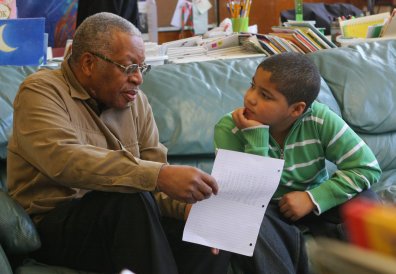
elder with youth Mature Adults (born prior to 1942)

  • Civic causes, philanthropic organizations, and religious institutions are important to older adults who came of age in America during the World War II.
  • Printed mail appeals with detailed content are the familiar approach for this group, and their giving response is strong. Mature donors prefer to send a check by mail to the charities of their choice.
  • Messaging that emphasizes giving back, fair share, and regular contributing language is effective in appeals.
  • Leaving a legacy matters–encourage planned giving as a means of strengthening the institution and its mission and core values for future generations.

women-building-pots-wall2

Resources on Generational Trends and Differences:

21st Century Faith Formation http://www.21stcenturyfaithformation.com/index.html

Bhagat, Vinay; Loeb, Pam; Rovner, Mark. The Next Generation of American Giving. March 2010. Convio, Edge Research, and Sea Change Strategies.

Campbell & Company. Generational Differences in Charitable Giving and in Motivations for Giving. Report prepared for the Center on Philanthropy. May 2008.

Chronicle of Philanthropy. Philanthropy 400 Reflects Generational Shift in American Giving. October 17, 2010. http://philanthropy.com/article/A-Generational-Shift-in-Giving/124937/

Giving Speaks blog posts on multigenerational giving and generosity, and by age group.

Johnson, Grossnickle & Associates. Millennial Donors: A Study of Millennial Giving and Engagement Habits. Achieve. 2010. The Millennial Impact Report. http://www.themillennialimpact.com/research-2012