
 In 2004, a series of hurricanes struck Florida, leaving wide paths of destruction across the state. As I talked with a number of people affected by the devastating storms. A common theme was how deeply upsetting and disorienting it was for them to look out and see how dramatically their landscape had changed. So many trees had fallen in some areas that it was difficult for the residents to recognize their surroundings. There was no choice but to take stock, grieve the losses, and adjust to a new reality.
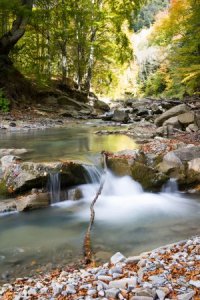
We are oriented by the familiar landscapes of our lives, even with the changes that naturally occur over the course of time. There is the external landscape of our earthy surroundings. There is also an internal landscape, made up of our beliefs, attitudes, and perceptions. Both dimensions are impacted and changed by traumatic or chaotic circumstances.
Similarly, the economic storms over the past three years have had lingering effects to which many individuals, families, communities and congregations are still adjusting. Perceptions and attitudes about money have changed, as evidenced in the national Occupy Wall Street movement. Our confidence about financial and governmental institutions has been shaken.
It takes time to recover and heal from the loss of the familiar around and within us. It helps to seek the caring and support that comes from being in community. Many find strength and confidence is drawn from active engagement in a faith community.
One intentional practice that provides an antidote to loss and significant change is that of cultivating and creating a new Landscape of Gratitude. Gratitude is the experience of being thankful for all the depth and meaning our relationships and community bring to our lives. It involves us looking at our surroundings with clear eyes, experiencing life with a loving heart, and opening our hands to generosity and service.
For further inspiration, I invite you to view and share Everywhere–a musical message of gratitude http://youtu.be/XV0eKV2aT4s
 givingspeaks.com